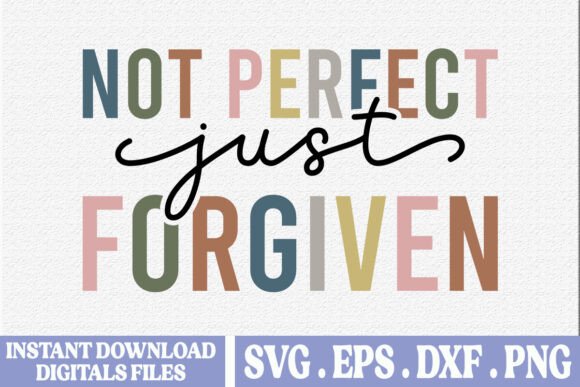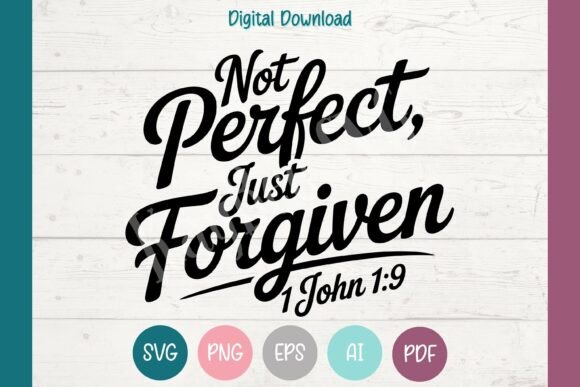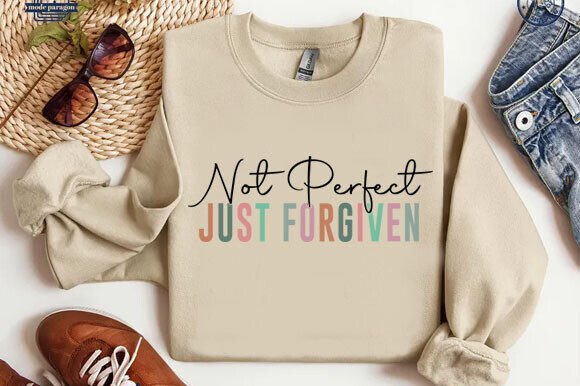
Not Perfect Just Forgiven SVG: Graphics for T-Shirt Designs
As a digital publisher and blog designer, I constantly evaluate visual assets not just for their aesthetic appeal, but for their functional utility in a real content workflow. When reviewing the Not Perfect Just Forgiven, Christian SVG, my primary focus is how this graphic design asset translates from a raw vector file to a polished element on a live website. This specific design carries a distinct editorial mood that balances vulnerability with hope. It does not feel overly corporate or sterile; instead, it possesses a warm, lifestyle-focused authenticity that resonates deeply within faith-based niches, mental wellness blogs, and personal storytelling platforms.
The typography and layout suggest a modern yet approachable style. For content creators, this is crucial because the visual tone must match the written voice. If your blog discusses grace, redemption, or authentic Christian living, this asset reinforces that narrative instantly. It avoids the trap of looking like generic clip art, positioning itself instead as a deliberate piece of creative design that supports serious, heartfelt content. As an instant digital download, having immediate access to the ZIP folder allows for rapid prototyping of featured images and social media graphics without waiting for physical shipping, which is essential for maintaining a consistent publishing schedule.
Editorial Applications Beyond Apparel
While this product is categorized under T-Shirt Designs, limiting its use to merchandise would be a missed opportunity for digital publishers. In my own workflow, I have found that SVG files originally intended for apparel often make superior blog graphics because they are designed to be legible at various sizes and on contrasting backgrounds. The Not Perfect Just Forgiven, Christian SVG serves as a versatile foundation for multiple content formats.
For blog featured images, this graphic provides a strong focal point that anchors the post. When paired with a textured background or a soft gradient, it creates a professional-looking header that encourages clicks. In the realm of Pinterest marketing, vertical pins utilizing this design can perform exceptionally well because the message is concise and emotionally triggering. Users scrolling through feeds are likely to pause on imagery that validates their feelings of imperfection while offering spiritual reassurance. Furthermore, this asset is ideal for creating lead magnets. Imagine a downloadable PDF guide or a printable journaling worksheet titled "Embracing Grace." Using this SVG on the cover establishes immediate brand identity and signals to the reader that the resource is safe, understanding, and visually cohesive.
Enhancing Visual Hierarchy and Reader Trust
Visual hierarchy is the silent conductor of user experience. When a reader lands on a blog post or a newsletter, their eye needs to know where to go first. The Not Perfect Just Forgiven, Christian SVG acts as a primary visual anchor. Because the text is the design itself, it bridges the gap between headline and image, reducing cognitive load. This integration helps improve click-through potential because the value proposition is communicated visually before the user even reads the article title.
Trust is another critical metric for content sites. Readers are increasingly skeptical of low-effort content. Utilizing high-quality design assets demonstrates that a publisher cares about the presentation of their message. This particular graphic supports a brand identity built on transparency rather than perfectionism. For affiliate marketers in the Christian book niche or devotional space, using this asset in promotional graphics can create a softer, more relational sales environment compared to standard product mockups. It aligns the commercial intent with the audience's values, making the content feel less transactional and more communal.
Strategic Placement in Digital Layouts
Knowing where to place a graphic is just as important as the graphic itself. Based on my testing with similar faith-based vectors, the Not Perfect Just Forgiven, Christian SVG performs best in specific digital environments. It shines as a hero image on "About" pages or ministry landing pages where personal testimony is central. It is also highly effective as a category thumbnail for blog sections dedicated to devotionals, prayer, or mental health. In these contexts, the design acts as a navigational cue, helping users intuitively understand the site structure.
Social media graphics benefit significantly from this asset when used in carousel posts or story highlights. The scalability of the SVG format ensures that lines remain crisp whether viewed on a smartphone or a desktop monitor. Additionally, for email marketers, incorporating this design into newsletter headers can increase engagement by providing a familiar visual touchpoint that subscribers associate with your unique voice. It transforms a standard text-heavy email into a branded communication piece.
Navigating Design Constraints and Accessibility
Despite its versatility, this asset requires careful implementation to maintain editorial standards. Publishers should exercise caution when using this design in small mobile thumbnails. Intricate script fonts or detailed distressing effects common in this style can become illegible when scaled down below 300 pixels. Always test the graphic at actual display size before publishing. Furthermore, avoid placing this SVG over busy photography or high-contrast patterns without a solid overlay. The message relies on readability; if the background competes with the text, the visual hierarchy collapses.
Accessibility must also be considered. While the design is visually appealing, ensure that any web usage includes appropriate alt text describing the sentiment for screen readers. Additionally, consider color contrast ratios. A white version of this SVG on a pale pastel background may look aesthetically pleasing on a designer’s monitor but could fail accessibility standards on a sunlit phone screen. Testing in grayscale is a practical publisher note I always recommend; if the design loses its impact without color, it may need adjustment for broader usability.
Technical Workflow and Licensing Considerations
Integrating the Not Perfect Just Forgiven, Christian SVG into a professional publishing workflow involves more than just dragging and dropping. File optimization is paramount for web performance. Raw SVGs can sometimes contain unnecessary metadata or hidden layers that bloat file size. Before uploading to your media library, run the file through an SVG optimizer to ensure fast page load times, which directly impacts SEO rankings. When using this asset in Canva templates or other design software, verify that the font rendering remains consistent across different devices.
Licensing is perhaps the most critical aspect for commercial publishers. Since this is a digital product delivered via instant download, you must confirm the specific commercial license terms included in the ZIP folder. If you plan to use this graphic on monetized websites, affiliate pages, or as part of a paid digital guide, ensure your license covers these uses. Respecting intellectual property rights protects your business and supports the original creator. Proper attribution, if required by the license, should be handled discreetly in footer credits or media kit disclosures to maintain a clean user interface.
Finally, consider the pairing of this graphic with your existing typography. Test the Not Perfect Just Forgiven, Christian SVG alongside your site’s primary serif and sans-serif fonts. The goal is complementarity, not competition. If the SVG features a bold hand-lettered style, pair it with a clean, minimal sans-serif for body text to let the graphic breathe. Conversely, if the design is delicate and thin, a structured serif heading can provide necessary weight. By treating this asset as a core component of your visual system rather than a standalone decoration, you elevate the overall quality of your digital publication. This thoughtful approach to design integration is what separates amateur blogs from authoritative content platforms that readers trust and return to repeatedly.